1960s

“A Dozen Questions about Estonia“ introducing Estonia and the nature of Estonians through the 12 short films.
People of Kihnu island fifty years ago and in the year of 2014.
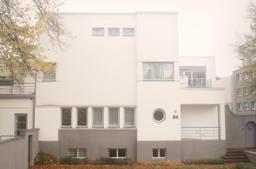
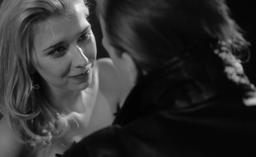
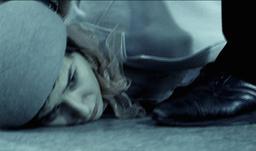
An allegorical story about the conflict between power and spirit, completed as a group work of film students.
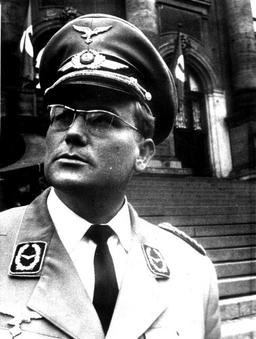
Estonian-Latvian co-production about the "established fascists" - Baltic actors who were used by the Soviet film industry to create the representation of an enemy and to recreate the image of Baltic people as fascists.
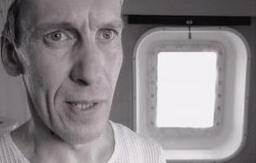

A glimpse into the carousel at Estonian real estate market in 2006 when it was easy to get housing loans and the prices of apartments kept going up.
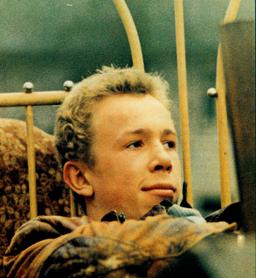
The family film directed by Aare Tilk is based on the story "A Tale About Rein" by Toomas Raudam. The film tells about the lost and the found, friendship, caring for each other, and the events of a small town in Estonia in 1960s.
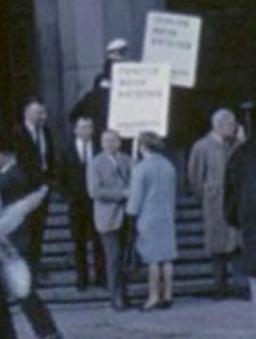
Film chronicle about the events of culture and politics of the expatriate Estonians in Sweden in 1960s and in January 1971.

The film directed by Veljo Käsper is based on the novel "The Seven Days of Tuisu Taavi" by Einar Maasik.
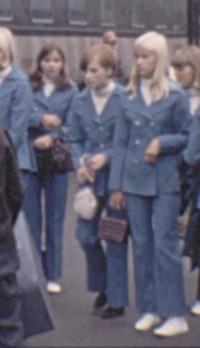
Performances by the youth group "Vikerlased" in Montreal. Scout camps in Lättemäe and Kotkajärve.
The married writers' couple Enn and Helga Nõu spend time with their children in their hometown in Uppsala. Events from Christmas 1968 to the summer of 1969.
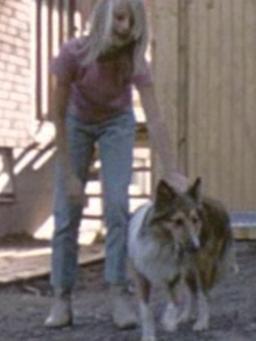
The married writers' couple Enn ja Helga Nõu spend time with their children in their hometown Uppsala in 1969 - their new home in Askvägen.
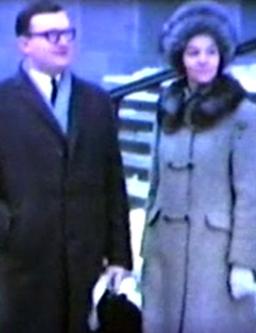
Einar and Irja Sanden visiting in Uppsala on January 4, 1969.
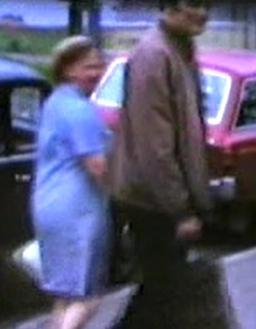
Writers Ellen Niit and Jaan Kross in Gröna Street in Uppsala on July 1st, 1969.
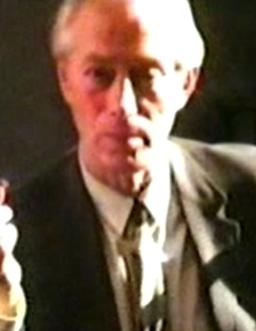
Artist Endel Kõks on the balcony in Gröna Street on May 4th, 1969.
Hellar Grabbi getting acquainted with Uppsala. Visiting the grave of linguist Andrus Saareste on July 20 ,1969.
The married writers' couple Enn and Helga Nõu spend time with their small children in their hometown Uppsala in 1968.
The married writers' couple Enn and Helga Nõu spend time with their small children in their hometown Uppsala in 1967 and 1968: children's birthdays and domestic holidays, visits to friends' places.
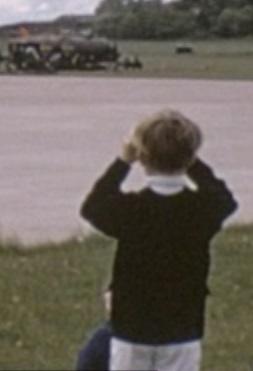
Joint activities of the married writers' couple Enn and Helga Nõu with their children in their hometown Uppsala as well as in other beautiful places in Sweden in 1968. Aviation day in Ärna airport in Uppsala, outing of Estonian scouts to Svia.
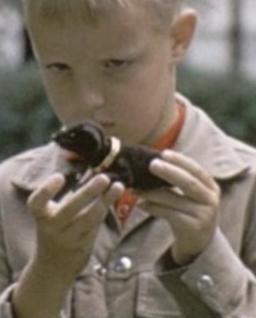
The joint activities of the married writers' couple Enn and Helga Nõu with their children in their hometown Uppsala and other beautiful places in Sweden in 1968. Skokloster Castle, the town of Enköping, Vaksala riding school.
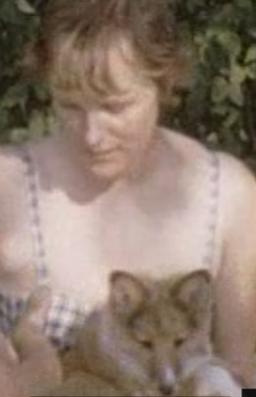
The joint activities of the married writers' couple Enn and Helga Nõu with their children in their hometown Uppsala and other beautiful places in Sweden in 1968. Skansen oper-air museum and Gröna Lund Tivoli in Stockholm.
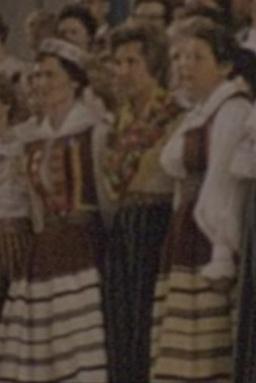
Social events of the expatriate Estonians in Uppsala in 1963-1968.
Poet and translator August Sang from Estonia together with Kalju Lepik and Arvo Mägi in Uppsala on January 2nd, 1968.
Film chronicle about the cultural life of expatriate Estonians in Sweden in 1964-1970.
50th anniversary of the Republic of Estonia is celebrated with a festive event in Stockholm Concert Hall on February 25, 1968.
Enn and Helga Nõu together with Kalju Lepik and Arvo Mägi in Gimo Folk University on August 15th, 1968.
Hellar and Irja Grabbi visiting the Nõu family in Gröna Street on October 13th, 1968.
Literary historian Helmi Eller in Uppsala on March 9th, 1968.
Writer Enn Nõu's trip to Estonia in September 1967.

The married writers' couple Enn and Helga Nõu spend time with their small children in their hometown Uppsala and in Svia in 1966 and 1967.
The married writers' couple Enn and Helga Nõu spend time with their small children in their hometown Uppsala and in other places in Sweden in 1967: trip to Åland, Estonian House in Stockholm.
Enn and Helga Nõu are visiting writers Bernard Kangro and Valev Uibopuu in Lund and Arno Vihalemm in Ystad.
Writer Enn Nõu's trip to Estonia in September 1967.