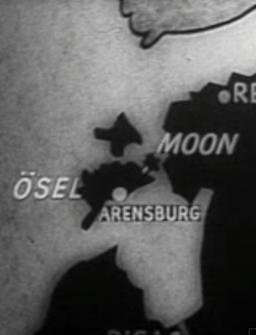
war film

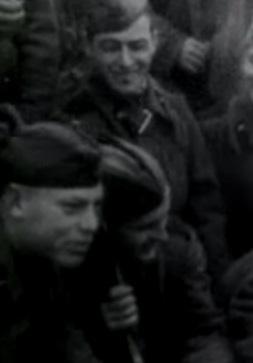
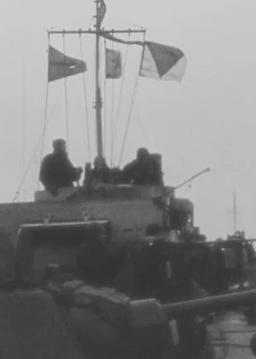
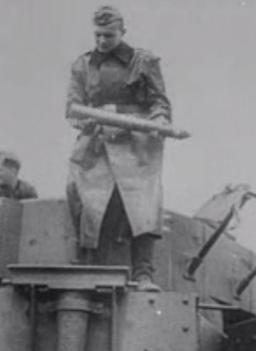
The film tells about the events during the war of 1944 in Estonia, viewed by the Estonians fighting at the Red Army and German Army.

The film is an Estonian-Georgian co-production about a wise Estonian man living in an Abkhazian village during the turbulent times of Abkhazian-Georgian military conflict in the autumn of 1992. The Estonian takes care of two wounded enemies, trying to help both men to find a human solution in this ruthless war.
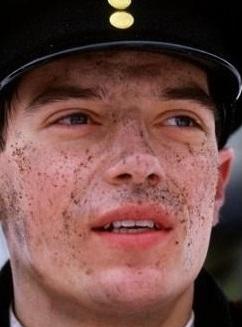
The debut film by director Elmo Nüganen is based on the novel "Names in Marble" by Albert Kivikas. The film is a patriotic war drama telling the story of schoolboys in the Estonian War of Independence and of the days and nights of these young volunteer fighters. The film is full of dangers, challenges, pain and exaltation, entwined by a beautiful story of young love.
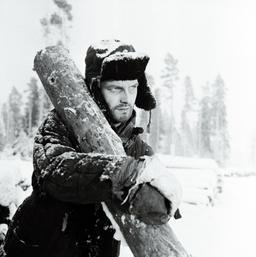
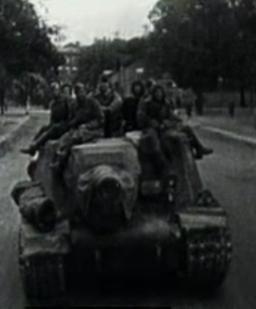
The war drama directed by Jüri Müür is based on the novel "The Two Selves of Enn Kalm" by Paul Kuusberg. It is the first, and so far the only Estonian feature film depicting the Estonian Rifle Corps in the World War II, including the forming process of the corps in the Urals, its battles held at Velikiye Luki, on Emajõgi River and the night battle of Tehumardi on Saaremaa island. Considering the year of the film, it is not free from propaganda; however, for the first time bold and epic battle scenes together with the war chronicles are presented in this film. The soundtrack "Song About the Faraway Home" (music by Eino Tamberg, lyrics by Ralf Parve) is still a popular soldier song today.

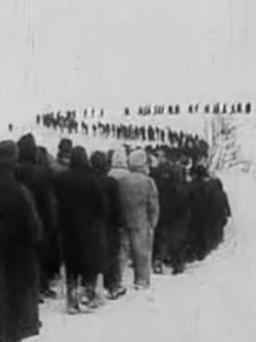
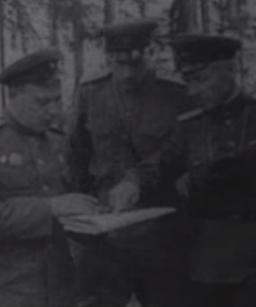
Archival footage of events from the Great Patriotic War.