inner struggles
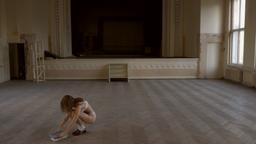
Elina Ojasaar’s dance film delves deeply into a critical and widely discussed societal issue: the experience of women being perceived, evaluated and objectified through the male gaze. The film examines the layers of unspoken tensions and pressures that women face daily. The film serves as a mirror reflecting these challenges and the enduring imprints they leave on women’s bodies and minds.

An intimate documentary about the internationally renowned Estonian musician, saxophone player and improvisational jazz composer Maria Faust.

Teresa Juksaar’s film „The King“ is based on a short story by Mehis Heinsaar and opens the theme of searching and finding inner peace. The film is a magical journey between the real and the imaginary world.
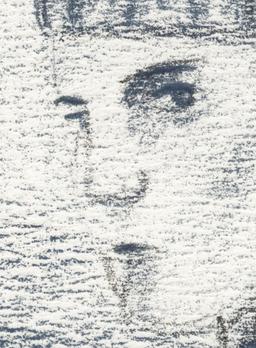
A connection between a boy, a horse and a bird shows the way for a majestic ride.

A young woman takes on an audacious human experiment while trying to find her place in the world and struggling with the past of her family.
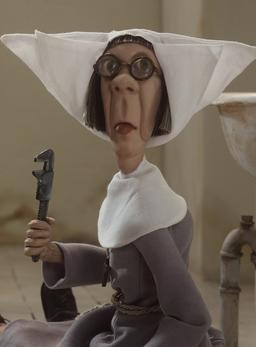
Dreams are like weeds that despite mowing keep on growing.

A documentary film about a composer Tõnu Kõrvits, his music and the people who are deeply touched by his music.

Lauri Lagle's first feature film is profound and smooth like a summer's night. It is a physical progression and a mental journey towards something other than a mere geographical location on a map.
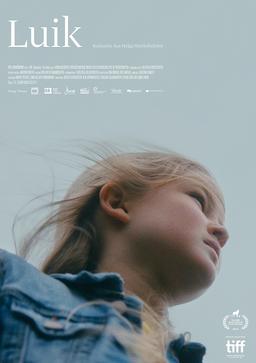
Meeting a swan may be an introspective experience, similarly to facing the nature of Iceland, its magnificent mountains, watery grasslands and powerful winds. For a nine-year-old girl Sól all this won't be a free choice since her family sends her away to the wild and lonely nature because of a theft.
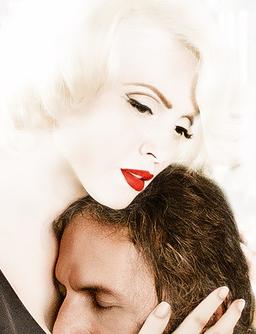
There is no space for secrets.
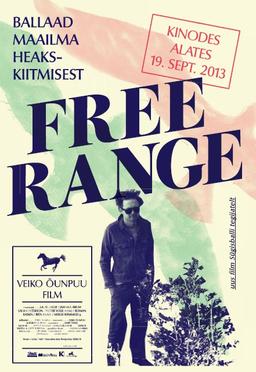
An optimistic anti-western about the possibility to attain the inscrutable and benevolent indifference towards all mundane affairs even here, in the midst of the pointless and sad life of contemporary Europeans.

The drama takes place in a small village, telling the story of 30-year-old Kertu whose whole life has been controlled by her father. Local people consider Kertu mentally unbalanced because of her modesty. The young woman gives it a try to change something in her life and sends a postcard to Villu - a handsome yet degraded village drunkard. Their unpredicable love story won't be accepted by their close ones and the fellow villagers.
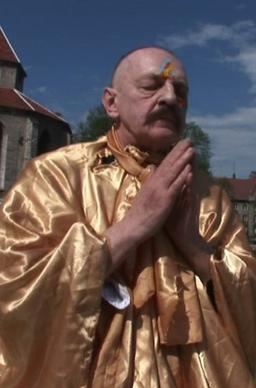
The film introduces the daily activities and creative work of the last year in artist Jaan Paavle's life, including his beliefs, attitudes and contradictions with the society.


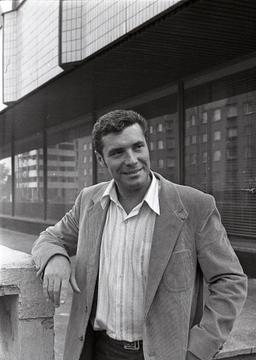
Documentary by Peeter Brambat about architect Toomas Rein.


Media student Aleksandr Radzinsky's directorial work in BFM III course subject "Directing Fiction". The internal conflict of a family man holding a cruel job becomes unbearable.
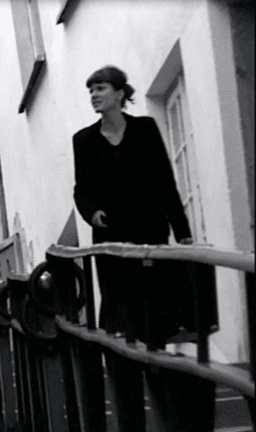
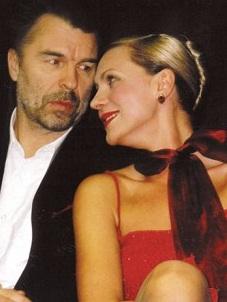
Short film directed by young documentalist Raimo Jõerand, telling about the marital relationships and playing with paradoxes.
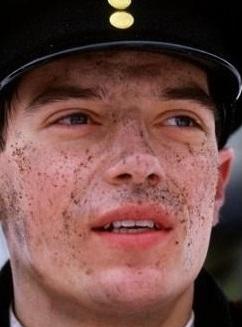
The debut film by director Elmo Nüganen is based on the novel "Names in Marble" by Albert Kivikas. The film is a patriotic war drama telling the story of schoolboys in the Estonian War of Independence and of the days and nights of these young volunteer fighters. The film is full of dangers, challenges, pain and exaltation, entwined by a beautiful story of young love.
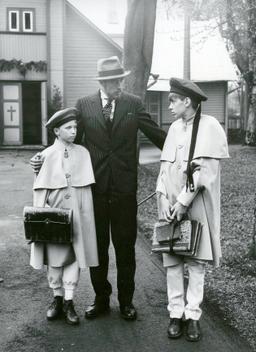
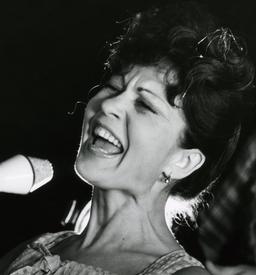
The musical feature film directed by Peeter Urbla presents Estonian pop songs of 1970s and 1980s, performed by Magnetic Band and Gunnar Graps, Muusik Seif and Tõnis Mägi, Ruja and Urmas Alender, Rock Hotel and Ivo Linna, Kontor and Heino Seljamaa, Doktor Friedrich and Joel Steinfeldt, Kuldne Trio and Anne Veski, Vladimir Sapožnin, and disco group Eurütmia supervised by Tiina Elts. The leading actress is singer Els Himma.
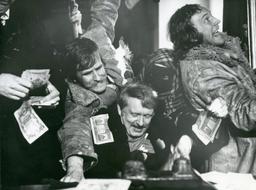
The innovative author's film by Mark Soosaar with excellent camerawork combines documentary and fiction, telling the dramatic story during the Revolution of 1905 about the tragic destiny of Bernhard Laipmann, a reforming farmer who teaches people the ideas of enlightenment.
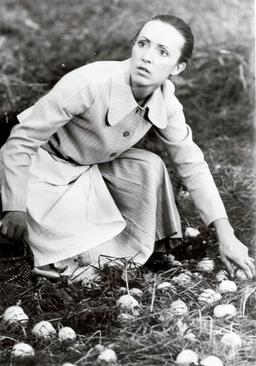
The drama directed by Leida Laius is based on the novel "The Master of Kõrboja" by Anton Hansen Tammsaare, telling the multilayered story about a farm in need of a master and about hopeless love.
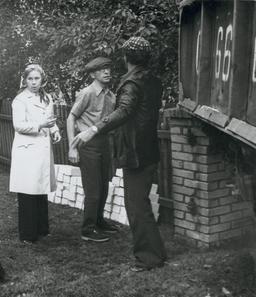
TV feature film directed by Jaan Tooming tells the story about the protagonist, caught in an irreconcilable conflict with his surroundings, embarks on a search for truth on the border between past and present.
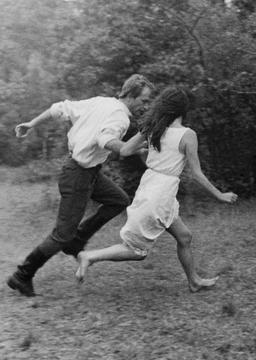
TV feature consisting four parts directed by Vladimyr Karasyov about the life of the underground Estonian Communists in the first Republic of Estonia in 1920s.
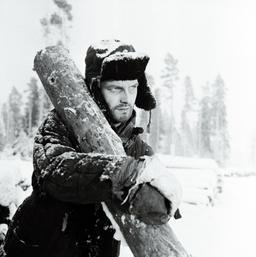
The war drama directed by Jüri Müür is based on the novel "The Two Selves of Enn Kalm" by Paul Kuusberg. It is the first, and so far the only Estonian feature film depicting the Estonian Rifle Corps in the World War II, including the forming process of the corps in the Urals, its battles held at Velikiye Luki, on Emajõgi River and the night battle of Tehumardi on Saaremaa island. Considering the year of the film, it is not free from propaganda; however, for the first time bold and epic battle scenes together with the war chronicles are presented in this film. The soundtrack "Song About the Faraway Home" (music by Eino Tamberg, lyrics by Ralf Parve) is still a popular soldier song today.
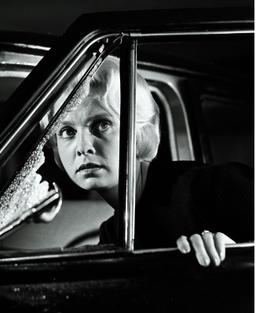
The first feature film directed independently by Grigori Kromanov is based on the novel "The Case of Andres Lapeteus" by Paul Kuusberg. According to the director, the film is telling about human responsibility, conscience and staying who you are even in most complicated conditions.
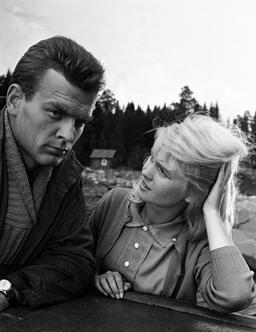
The debut feature film directed by Jüri Müür depicts men from a fisherman's village in a situation where they have to choose between the people of their own and the strangers.