educational
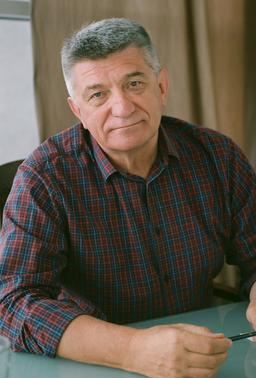

One of the most respectable lady of Estonian music, composer Ester Mägi, has written music about sixty years while having remained characteristically conservative.
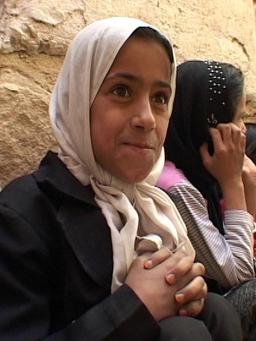
Documentary about the girls' school of Charikar town in Parwan province, Afghanistan and about their students and the students' mothers who tell their good and bad experiences of life.
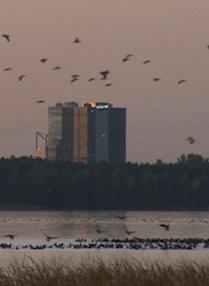
Riho Västrik portrays Lake Ülemiste as a source of drinking water and a valuable natural environment.
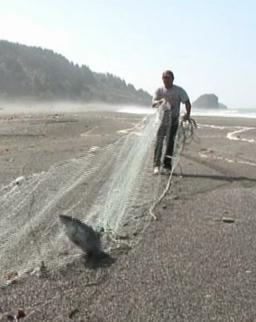
The Klamath River of Oregon and California is one of the most important salmon runs in the United States.
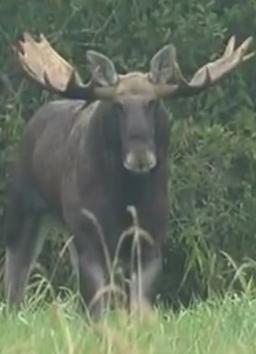
Documentary directed by Rein Maran about elk as a game, history of hunting elks and elk surveillance in Estonia.
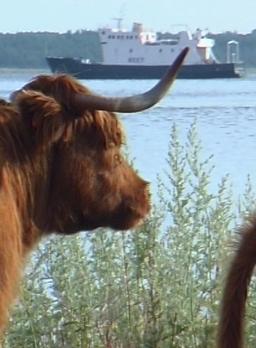
The project of protecting and restoring endangered species in North-West of Estonia was the initiative of European Union Life-Nature Programme.
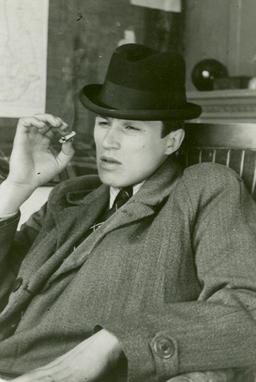
Documentary portrait by Peeter Brambat about Ants VIidalepp, an elderly painter and professor emeritus.
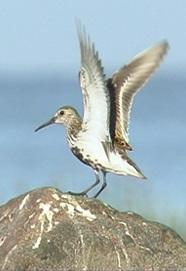
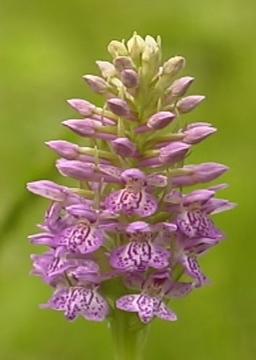
Documentary about Karula National Park located by the southern border of Estonia.
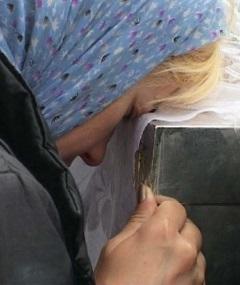

An hour with the amazingly multifaceted Einar Laigna, who clearly and emphatically discusses life’s basic values with the viewer, at a time when ethics tend to be lost from our lives. And thus, the message that he sends to Estonians and other people who love their land is that today is more important than ever before.
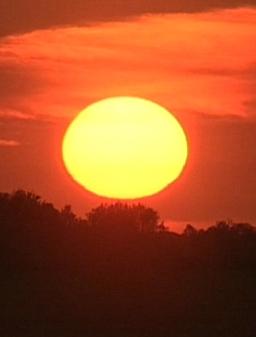
The basis for the dynamic community of the European Union is the harmonization of certain rules. This applies to preservation of nature as well, and thus we hear more and more about the mysterious Natura 2000. Natura 2000 is a Europe-wide network of nature preserves, consisting of bird preserves and nature preserves. A large part of the existing preserves in Estonia fit surprisingly easily into Natura 2000. The film shows the types of habitats in western Estonia, because it was here that the pilot project for Natura 2000 was launched. This land is many thousands of years younger than the inland – even now the earth’s crust is rising here and the land being born from the ocean – Terra Maritima – has a thousand faces. In addition to the coastline, the film introduces various types of meadows - all very valuable habitats.
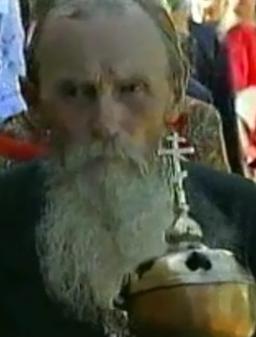
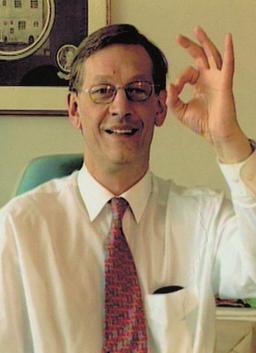
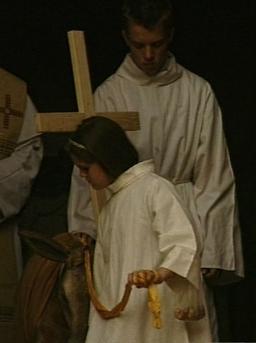
In the area surrounding the Dominican monastery in the heart of Tallinn, unique spiritual and cultural life has emerged that influences the entire city.

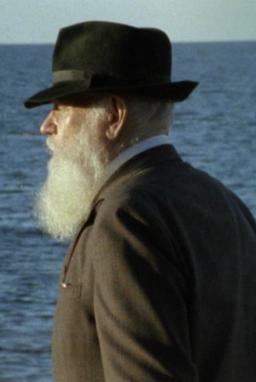
This is not an ethnographic film about a Finno-Ugric tribe, but a documentary about the decline of a nation.
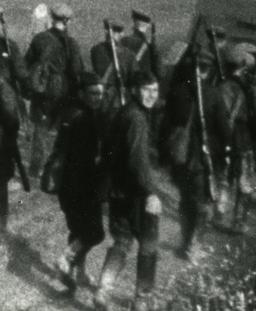
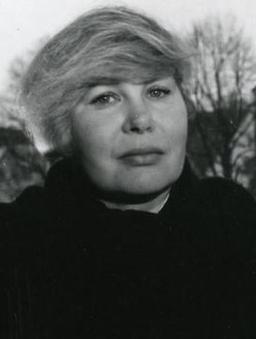

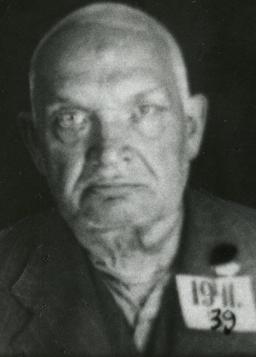
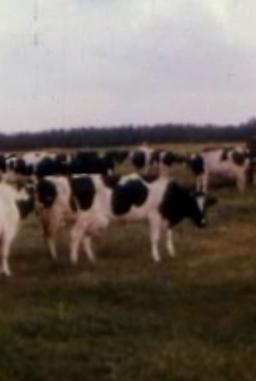
Documentary about the history and present day of breeding Estonian black-and-white cattle.
Documentary about the problematic issues of the Soviet woman and her situation in the present day as well as the hopes for the better future.
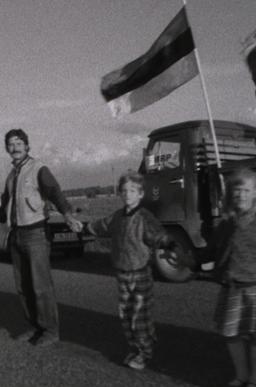
On August 23, 1989 the Baltic Way was formed – a 600-kilometre-long human chain from Tallinn through Riga to Vilnius.
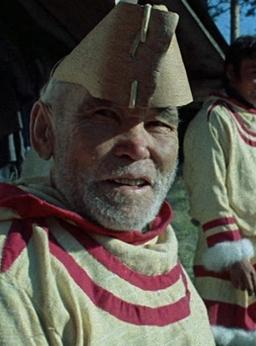
An ancient Khanty bear feast ritual, estimated to be about 3000 years old, was filmed in Western Siberia, in Khantia-Mansia, at the Agan River, a tributary of the Ob, in September 1985 and in August 1988. Participants in the ceremony held at a Khanty summer camp included singers of old songs who travelled to the ritual place from several hundred kilometres away.
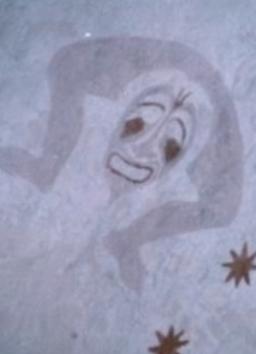
Thematic newsreel reflecting the role of the Baltic states in Europe, bringing out the connections throughout history and folklore up to the present day.
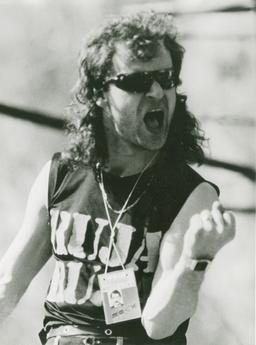
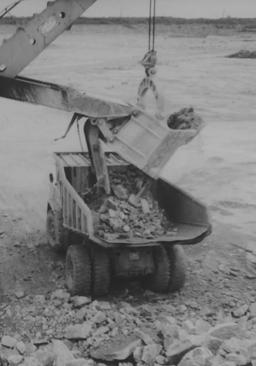
Documentary commissioned by the committee of construction of USSR introducing the Estonian national stone – limestone.
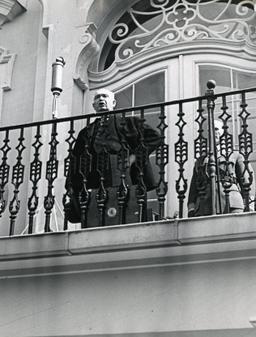
Documentary about the Kadriorg Palace throughout the times and people.

Three-act documentary essay directed by Lennart Meri about memory and the historical cultural connections between the Finno-Ugric peoples.