interview film
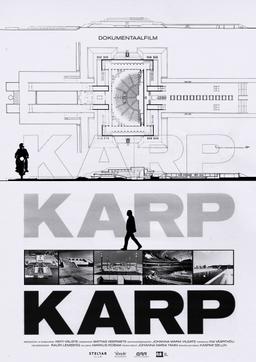
Architect Raine Karp has designed some of the most monumental buildings in Estonia. Yet he himself says that he does not shape cityscapes or create art — he simply solves problems. This film takes the viewer on a journey into Raine’s world of ideas and his creative process.
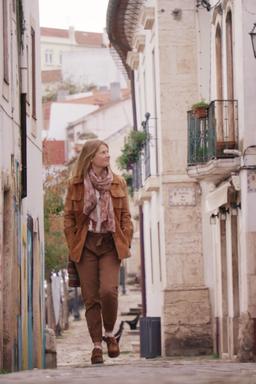

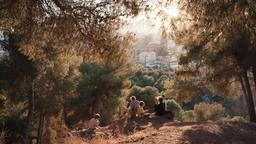
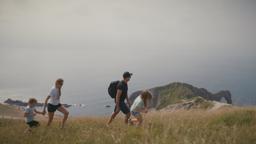
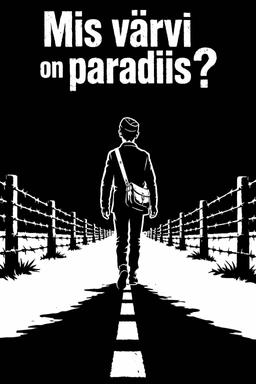
In the autumn of 1944, 16-year-old Elmar Suurpere from Saaremaa is drafted into the German anti-aircraft forces. His journey takes him from the Courland Pocket across the sea to Sweden, then — extradited — to a Soviet prison camp, and half a century later back to Sweden, where an act of asking for forgiveness finally brings long-awaited inner freedom.
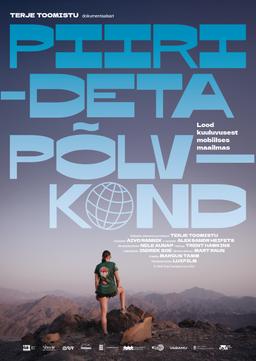
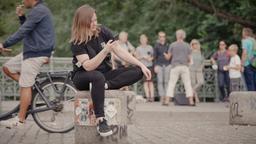
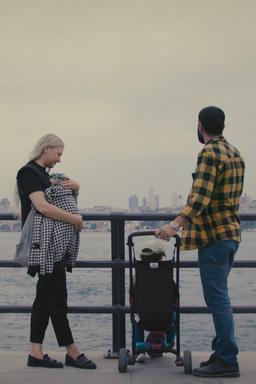
Estonians of the millennial generation living across the globe speak openly and honestly about migration, love, and life between two homes, creating a generational portrait of a transnational identity that remains deeply connected to Estonia.
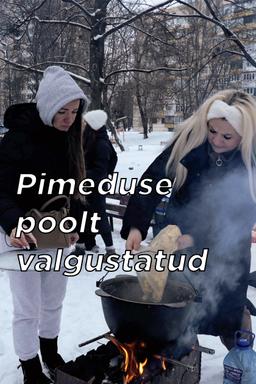
What is war and how does it affect the lives of ordinary people? In March 2022, we saw thousands of Ukrainian women and children fleeing from bombs and sirens.
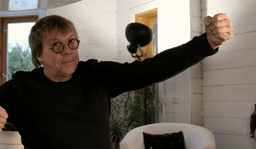
An interview with Jaanus Nõgisto talks about the interviewee's journey into the world of television, film music, and his proudest achievements in the world of film.
The short documentary offers a glimpse into the world of the Estonian sex work industry, in which the navigating characters unravel the interconnected dynamics of money, loneliness, and sex, and their impact on the journeys of self-discovery and growth of young people.

An intimate and cinematic journey into the life and music of Hendrik Sal-Saller, one of Estonia’s most beloved musicians, whose work has shaped the collective memory of a nation.
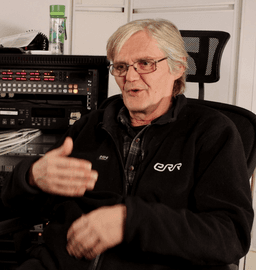
Toomas Vimb speaks of his career in film and television, sharing useful tips and fun stories about his path to the film industry.
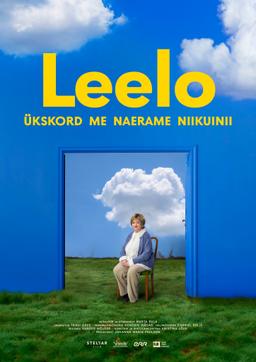
How can we talk about life’s hardest truths and still hold on to not just the will to live—but the joy of it?
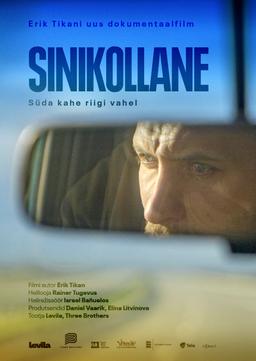
Following Russia’s full-scale invasion, Erko journeys to Ukraine as a volunteer to provide aid. As the conflict prolongs, he confronts a pivotal decision: war or his own family?
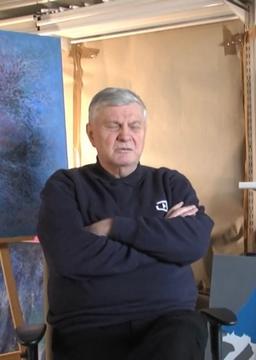
In the interview, Priit Vaher talks about his journey in the film scene.
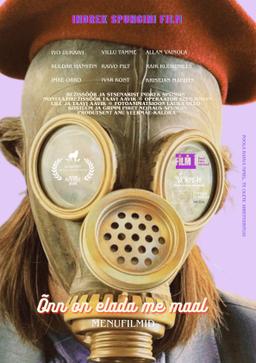
The punk band Velikije Luki stands up to Soviet power and defies hardships, until, with fortunate accidents and drunken bravado, it triggers the collapse of the Red Empire.
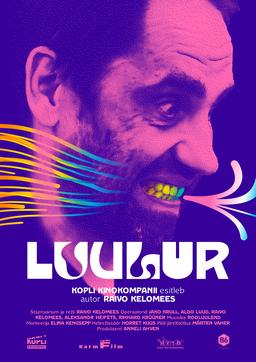
In the film we follow Jaan Malin on his journey towards the poetry slam and the "Crazy Tartu" festival. The curation of the festival and the practice of sound poetry introduce Estonian surrealism and Luulur's expressive work, which invites us to ask whether art must have a clear meaning.
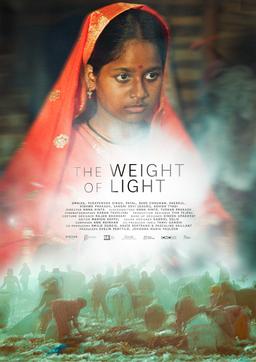
A teenage girl's eyes open up to the untold stories of women surrounding her, when she stumbles upon a photo camera on a vast garbage mountain in Delhi.

Documentary about an Estonian woman with Russian heritage, who joins the Estonian Women’s Voluntary Defense League to become a soldier.

She has one hand and low demands on her own well-being, but a big soul and high demands on the humanity of children and the friendliness of horses.
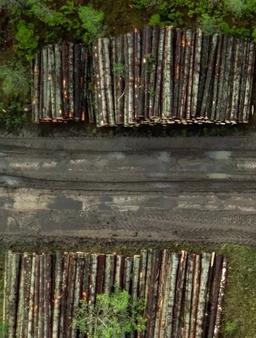
The series open the viewer to the current state of Estonian forests and shows how political decisions have affected the use of the common property. The series also offers solutions to move out of the deadlock of the debate and directs attention to the information that has been buried under the messages of controlled communication in the information noise of the forest war.
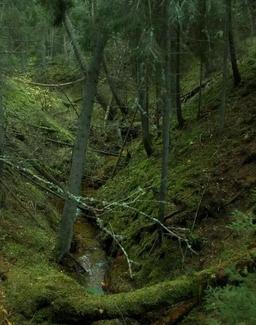
The series open the viewer to the current state of Estonian forests and shows how political decisions have affected the use of the common property. The series also offers solutions to move out of the deadlock of the debate and directs attention to the information that has been buried under the messages of controlled communication in the information noise of the forest war.
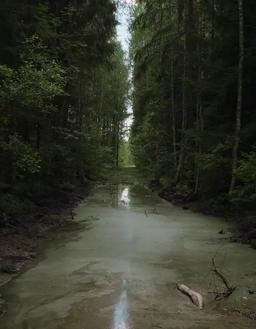
The series open the viewer to the current state of Estonian forests and shows how political decisions have affected the use of the common property. The series also offers solutions to move out of the deadlock of the debate and directs attention to the information that has been buried under the messages of controlled communication in the information noise of the forest war.
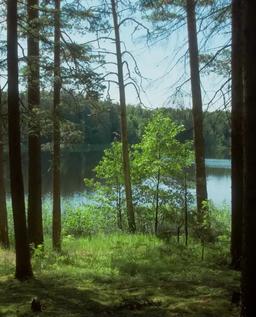
The series open the viewer to the current state of Estonian forests and shows how political decisions have affected the use of the common property. The series also offers solutions to move out of the deadlock of the debate and directs attention to the information that has been buried under the messages of controlled communication in the information noise of the forest war.

Stand-up comedy seems like an easy thing to do - you get on stage, tell funny stories for an hour and also swear a little. Sander Õigus has been doing stand-up for over ten years, let's see how the truth becomes the truth and a joke becomes a joke.

How to break out of a pro-Russian and Russian-speaking environment into Estonian society?
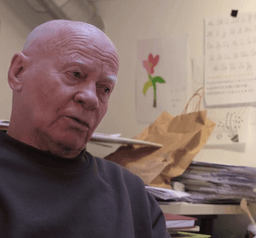
Interview with Priit Pärn focuses on the creative journey of Priit Pärn and on the characteristics of his creative process. It also touches upon questions that arise with the production and evaluation of animated films.
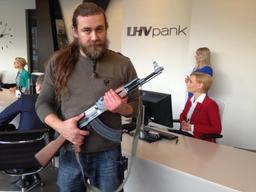
The interview with Ahto-Lembit Lehtmets talks about his experiences in the film world.
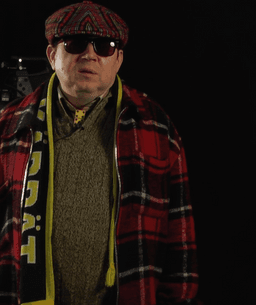
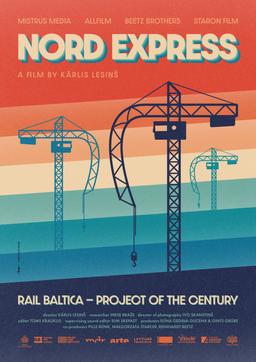
Kārlis Lesiņš becomes a ‘citizen-investigator’ going on the road to find out why the construction of the EU funded and NATO backed 870 kilometers long high-speed railway line connecting the Baltic States to Europe is significantly behind the schedule, over the budget and at risk of stalling.

Where have the Estonian forests gone?
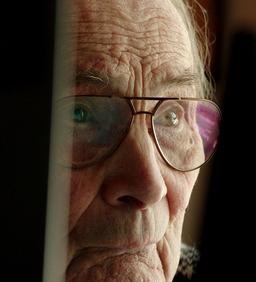
Astronomers with their telescopes and slime mold explorers with their microscopes, each in their own way, show the beauty of curiosity. The short documentary was completed as part of Arts of Survival Documentaries programme within the European Capital of Culture Tartu 2024 project.

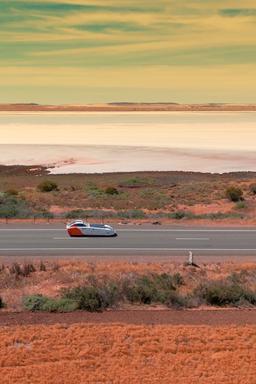
The Estonian national team will be the first Baltic team to participate in the Bridgestone World Solar Challenge, a 35-year-old competition that aims to push the boundaries of green technology as a young talent. The documentary follows young Estonian engineers and software developers and tells the story through their eyes.
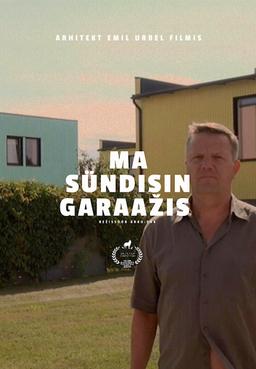
From a small-town garage to become country's top architect!
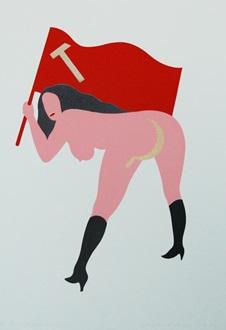
A story about the relationship between independent Soviet art and the West.
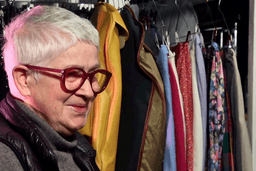
Marleen Prükkel’s interview with costume designer Ave Kuik.

Film observes the first night shift of a young guy, answering calls on the suicide helpline.
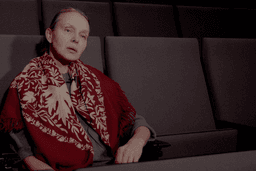
Interview with Elina Reinold.
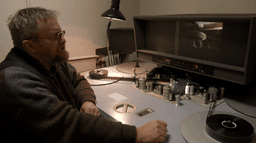
Interview with Hardi Volmer.
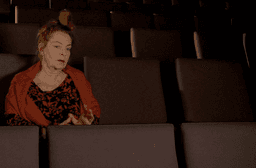
Rea Haljasmäe's interview with Ülle Kaljuste.

When Indrek's wife says that she is not happy with the marriage and something needs to change, Indrek must find a way to save the marriage.
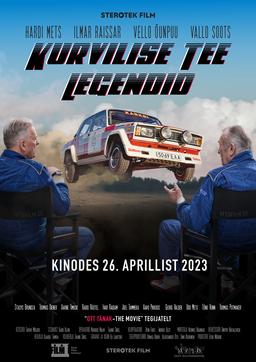
Several Estonians rally crews raced in the USSR team in the 80s. Every driver's dream was to make it to the team because it was the door behind the Iron Curtain. The rally legends have many untold stories about life as top rally drivers in the absurd Soviet system and on the world's rally stages.
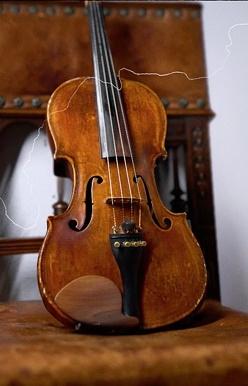
Home. Your home. Your place. Your memories. Your belongings. In the blink of eye, it’s gone.

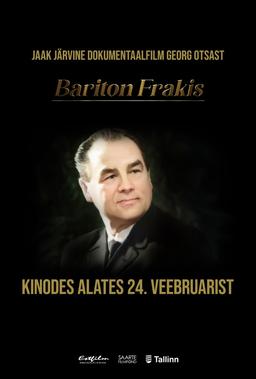
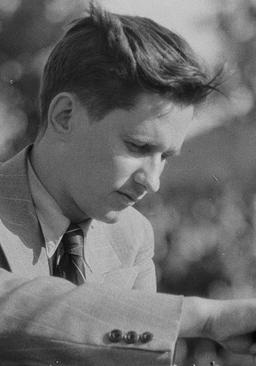
When this documentary reached the editing table, the British newspaper The Guardian, which reaches thirty million readers, featured an article by renowned chess writer Leonard Barden, “Pride of Estonia: Paul Keres, one of the best to never hold chess world crown”.