farmhouse
"When I let go of what I am, I become what I might be." Lao-Zi.

This is a story about love and loss. About my flesh and blood.
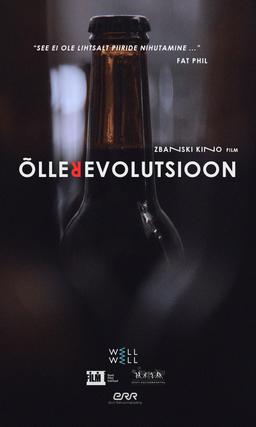
Documentary follows the rising phenomenon of craft beer scene in Estonia throughout 2015 along with its main protagonists – brewers, sellers and variously minded consumers.
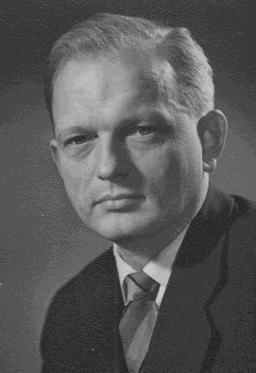
Documentary by Enn Säde portrays Jüri Müür - an important filmmaker in Estonian culture whose films are among the best ones in Estonian national filmography.
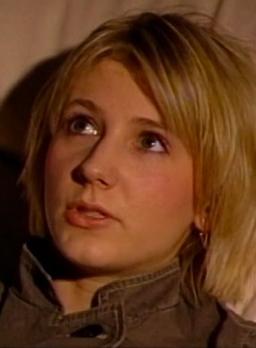
Life of four young persons with different social background in today's Estonia, right before the local independence day, February 24, 2003.
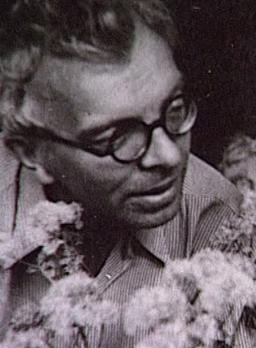
The first part of the enlightening film trilogy "Masing's Landscapes" directed by Vallo Kepp - documentary that has been dedicated to Uku Masing's - the scholar, poet and original culture philosopher - childhood years and the period of development in his home village in Rapla county, Estonia.
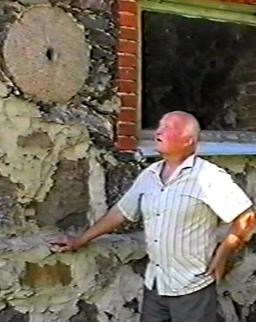
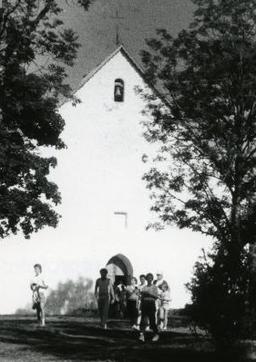
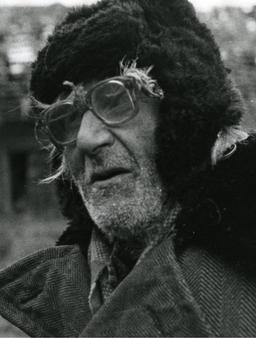
Instead of joining the collective farm, Karl Peterson chose threats, penalties, deportation and prison as he wanted to live as a free man in a free country.
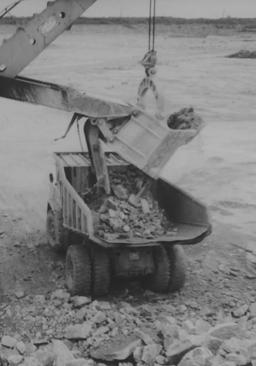
Documentary commissioned by the committee of construction of USSR introducing the Estonian national stone – limestone.
Estonian christmas traditions, indoor games at the New Year's Eve and activities at the beginning of the new year.
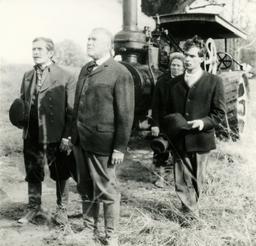

Karl Aru, retired General Major of artillery, celebrates his 80th birthday with a festive yet official reception and introduces his home village.
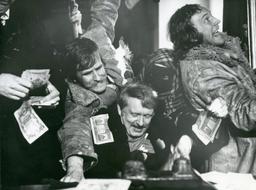
The innovative author's film by Mark Soosaar with excellent camerawork combines documentary and fiction, telling the dramatic story during the Revolution of 1905 about the tragic destiny of Bernhard Laipmann, a reforming farmer who teaches people the ideas of enlightenment.

The first year of activity of the agricultural enterprise of Viljandi district, Estonia.

Documentary directed by Peep Puks about Anton Hansen Tammsaare, an Estonian literary classic.
The sad destiny of neglected children.
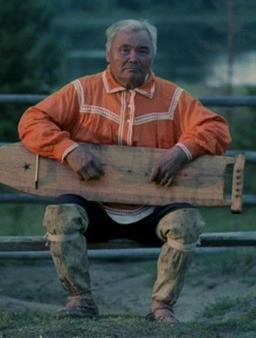
The sequel to „The Waterfowl People“. The author of the film interprets the kinship, linguistic and cultural relations of the Finno-Ugric peoples. Finns, Vepsians, Votes, Setos, Erzya-Mordvinians, Mansis, Hungarians, Sámi, Nganasans and Estonians appear in the film. The film was shot in 1977 on locations in northern Finland, Sámi, Vepsia, Votia, Mordovia, Khantia-Mansia, Hungary, the Taymyr Peninsula, Setomaa region in Estonia and in Saaremaa and Muhu islands, Estonia. Some footage was also filmed in Nenetsia in 1970.
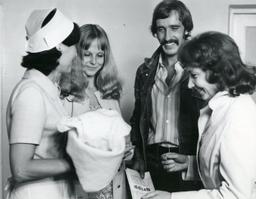
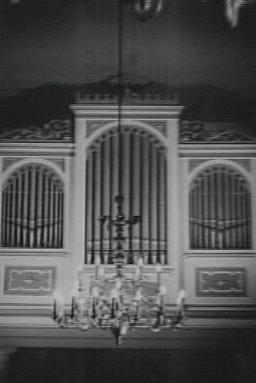
Documentary directed by Peeter Tooming about Estonian organs, organ makers and the history of organ making in Estonia from 18th century until today.
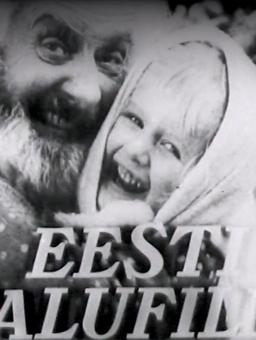
Contemplation on how the new generation of farmers relate to work and home in the countryside.
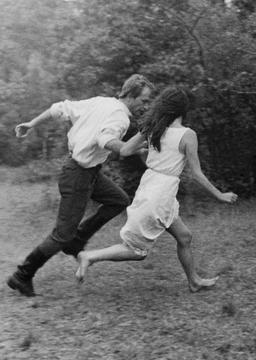
TV feature consisting four parts directed by Vladimyr Karasyov about the life of the underground Estonian Communists in the first Republic of Estonia in 1920s.
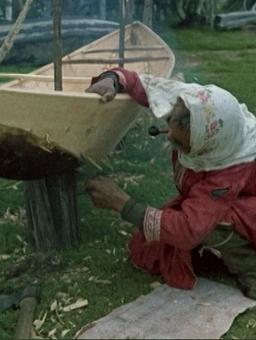
A documentary about the cultural and linguistic ties of the Finno-Ugric and Samoyedic peoples. Speakers of the Kamassian, Nenets, Khanty, Komi, Mari and Karelian languages were filmed in their everyday settings in 1969 and 1970. The footage was shot in Nenetsia, Khantia-Mansia, Uzbekistan, the Komi Republic, Mari El, Karelia and Estonia.

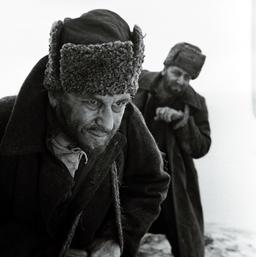
The personal drama directed by Veljo Käsper is based on the novel series "The Windy Shore" part III by Aadu Hint where the events take part during the First World War and the Russian Revolution. The basic principles of both human lives and society are put to the test.