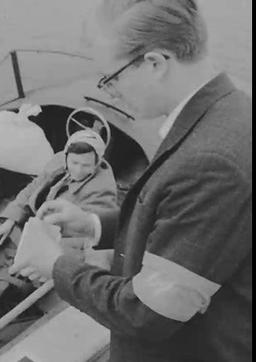
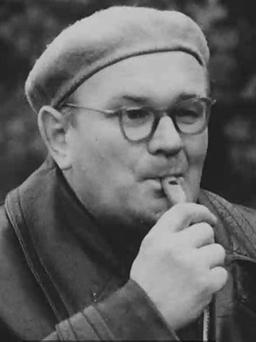
feeling of guilt
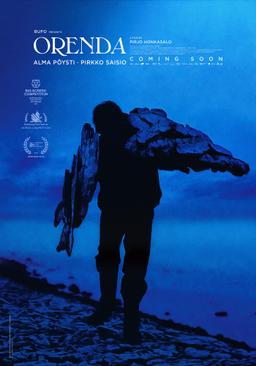
Orenda means an invisible force, a life spirit that inhabits everything living and lifeless: people, wind, birds, rabbits, stone. The one who serves Orenda and sings to it may receive its power.

How to find your way home, when all bridges have been burned?

Eyes of the Past seeks to explore what it means to be free – not only from physical barriers or societal expectations, but also from past burdens and inner demons.
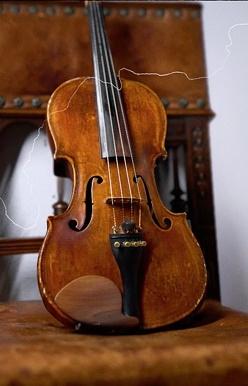
Home. Your home. Your place. Your memories. Your belongings. In the blink of eye, it’s gone.

Two fathers teach their kids the great art of chopping wood. No one wants to take the blame when an accident occurs.

A thriller comedy about personal development.

Film about grass.
A psychological thriller for lovers mysterious and supernatural stories.
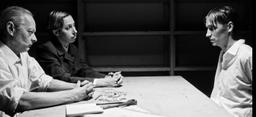
The film depicts an fictive interrogation scene in Estonia during the 1940s.

A young woman takes on an audacious human experiment while trying to find her place in the world and struggling with the past of her family.
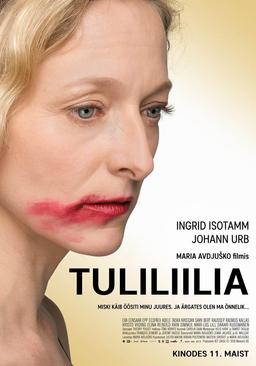
Life finds a way.

The film tells about the events during the war of 1944 in Estonia, viewed by the Estonians fighting at the Red Army and German Army.
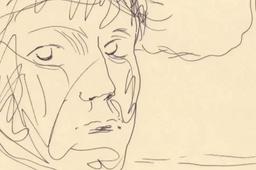
Akio Yuguchi’s film about his sister and family.
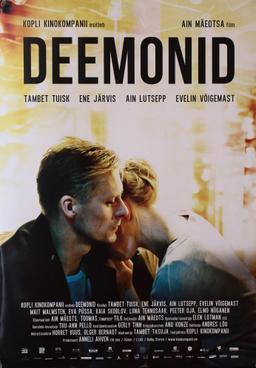
Tragicomedy directed by Ain Mäeots tells about the world of gambling. It is based on real events and real experiences, contemplating the game from the point of view of an addict.

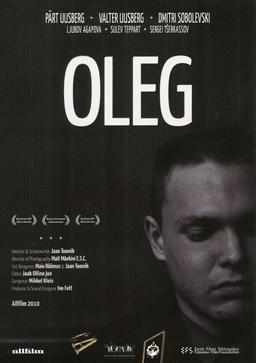
Short film directed by Jaan Toomik about anxiety and the feeling of guilt that leads back to a suicide committed in the Soviet army 25 years ago.
A story about schizophrenic young man, who tries to find apology to his deeds and find a way out.
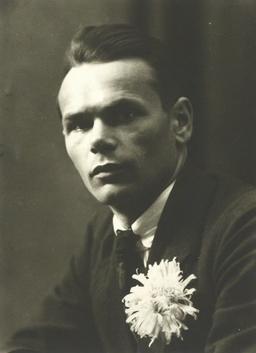
Documentary of cultural history by Vallo Kepp about the last decade (1941-1951) in the life of Henrik Visnapuu, the Estonian writer of patriotic and romantic poetry.
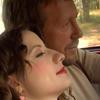
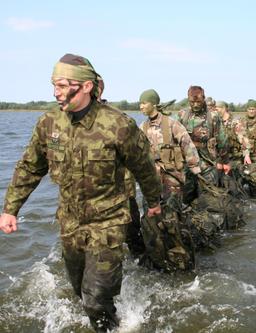
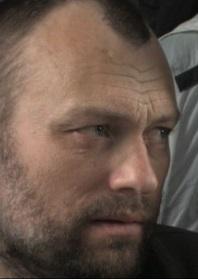
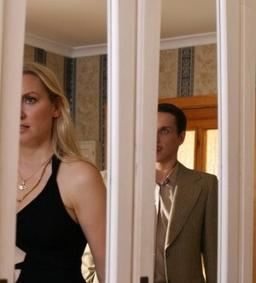
Psychological short film with a criminal undertone directed by Kristiina Davidjants. The film is part of the film compilation "Sex and Death", telling about a love triangle full of greed, passion, love and hate.
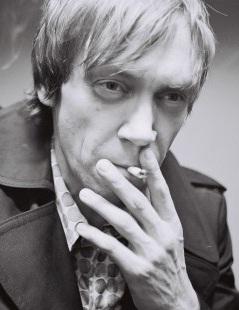
One night, a modern married couple living in a city settles their alienated relationship while trying to bring novelty into their lives with provocations exceeding the limits of decency.
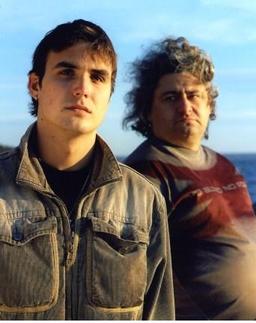
The debut feature film directed by Kadri Kõusaar tells the story about alienation and absence of emotions through the relationship of a depressed youngster and his father. The film with excellent cinematography has received awards at several acknowledged film festivals. The film is currently banned for protecting the private life of a prototype.
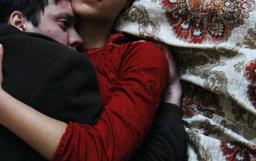
The second full-length feature film directed by Marko Raat is based on the short stories by Peeter Sauter and Vaino Vahing, telling the intimate and painful story about the deepest depths of human relationships.
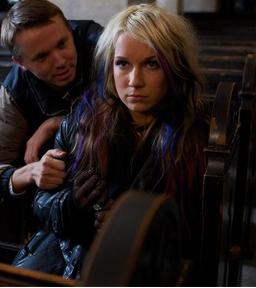
This is the second feature film directed by Rainer Sarnet telling the story about two girls in their teens searching for identity and discovering friendship and love.

The first full-length feature film directed by Rainer Sarnet for the 100th anniversary of Estonian professional theatre. The film tells the story about staging the play "Werewolf" written by August Kitzberg in Tartu Vanemuise Theatre throughout the 20th century, while bringing together the present and the past and offering the characters to experience eternity.
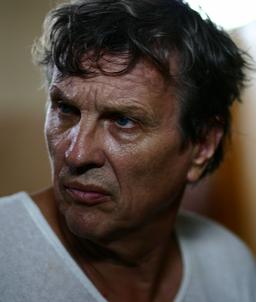
Two men get into a car accident and try to cope with loss, feelings of guilt and remorse.
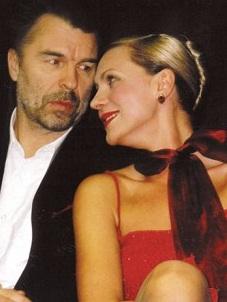
Short film directed by young documentalist Raimo Jõerand, telling about the marital relationships and playing with paradoxes.
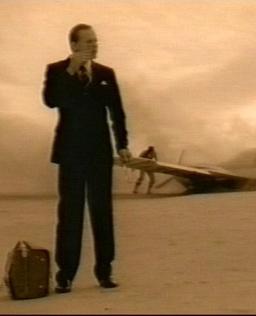
Short film directed by Ervin Õunapuu about guilt, penitence and redemption.
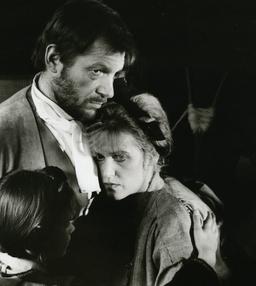
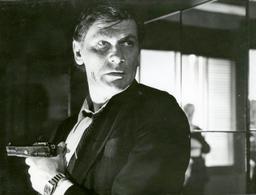
The sci-fi detective film directed by Grigori Kromanov tells the story about the encounter between men and extraterrestial visitors. The cult film is based on the sci-fi novel "Dead Mountaineer's Hotel" by Arkady and Boris Strugatsky.
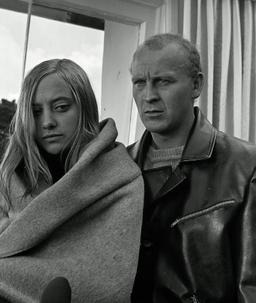
The political adventure film directed by Kalju Komissarov tells about the protesting youth in Estonia in early 1970s who will become victims of ideological diversion.
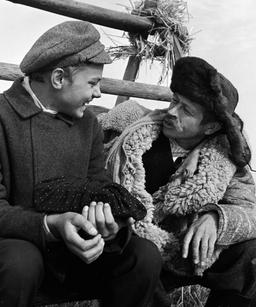
The first independent feature film directed by Arvo Kruusement is based on the story "The Spring" by Oskar Luts, depicting events of a school year in an Estonian church parish school at the end of 19th century. This lyrical and jolly youth story full of hope has been selected as the best Estonian feature film of all times.
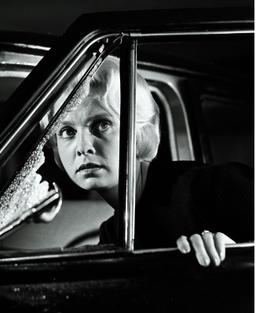
The first feature film directed independently by Grigori Kromanov is based on the novel "The Case of Andres Lapeteus" by Paul Kuusberg. According to the director, the film is telling about human responsibility, conscience and staying who you are even in most complicated conditions.