fishing gear
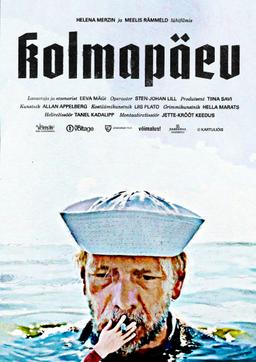
Jaanus spends the last day with his wife Karin at home. In the midst of common eiders, seagulls, fishing nets and summer breeze, they send Karin's soul to the eternity. An everyday life full of bitter sweet love falls with the setting sun into the depths of the sea.

For nearly twenty years now one small Estonian town has organised a Ukrainian-themed fair, during which a beauty contest is held. This observational film explores whether beauty can be an object of competition, and how we should understand the phenomenon of beauty contests in the modern day.
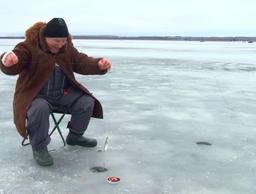
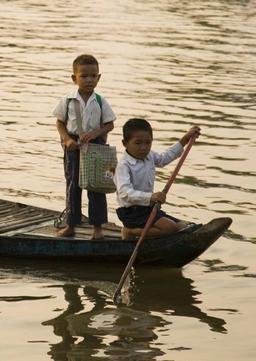
Is the global environmental crisis concerning just our environment or is it also the crisis of our habits, expectations and values?
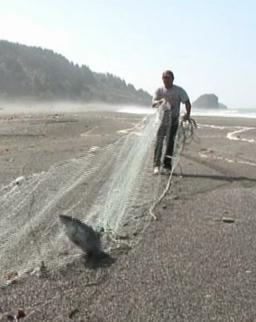
The Klamath River of Oregon and California is one of the most important salmon runs in the United States.
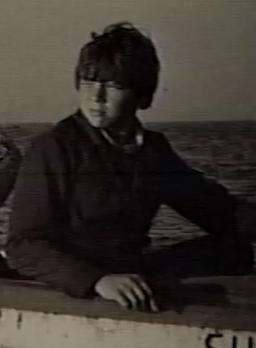
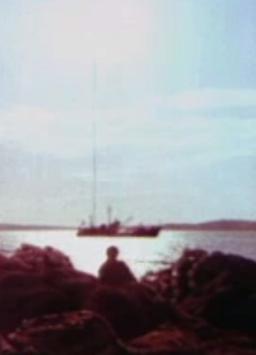
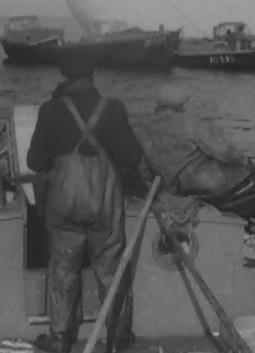
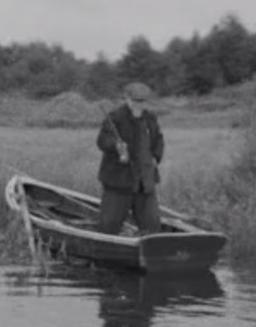
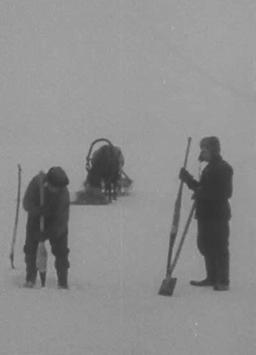
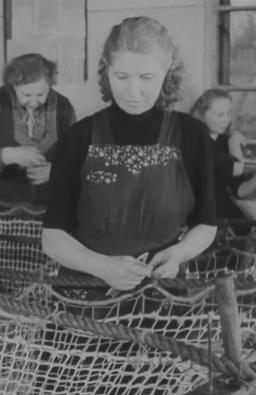
Documentary shows the life and work in the collective fishermen's farm and tells about those who emigrated from the islands of Hiiumaa, Saaremaa and Muhu to the Far East at the end of 19th century.
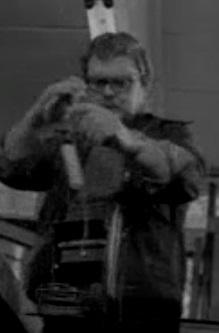
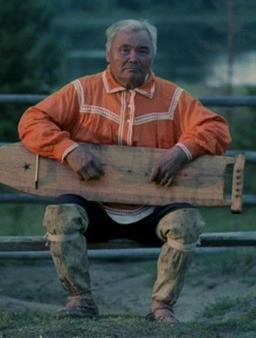
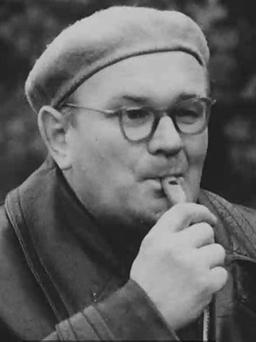
The sequel to „The Waterfowl People“. The author of the film interprets the kinship, linguistic and cultural relations of the Finno-Ugric peoples. Finns, Vepsians, Votes, Setos, Erzya-Mordvinians, Mansis, Hungarians, Sámi, Nganasans and Estonians appear in the film. The film was shot in 1977 on locations in northern Finland, Sámi, Vepsia, Votia, Mordovia, Khantia-Mansia, Hungary, the Taymyr Peninsula, Setomaa region in Estonia and in Saaremaa and Muhu islands, Estonia. Some footage was also filmed in Nenetsia in 1970.
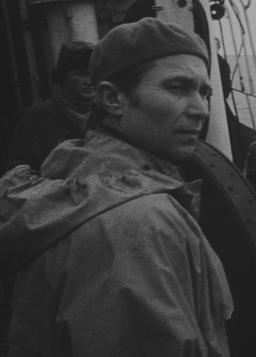
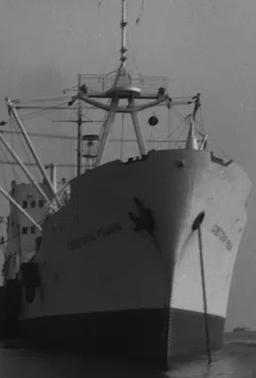
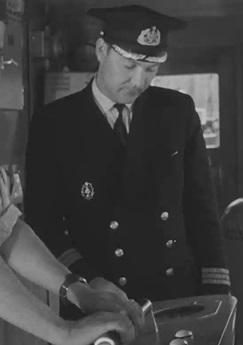
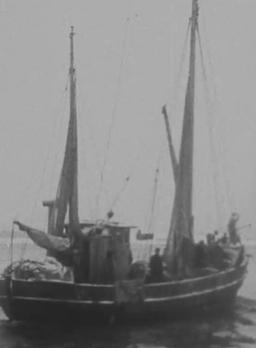
Soviet Estonian fishing trawler fishing herring out in the North Sea.