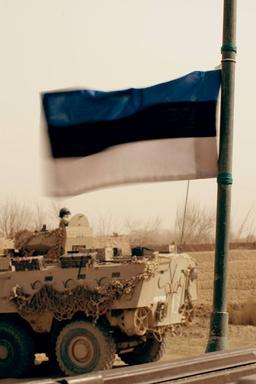
national flag of Estonia

Documentary film about Covid19 and medical treatment related to Covid19.
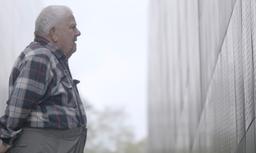
Question of Honor talks about Kalju’s and his grandchild’s relationship and their attitude to- wards patriotism.
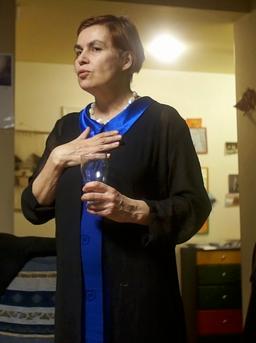
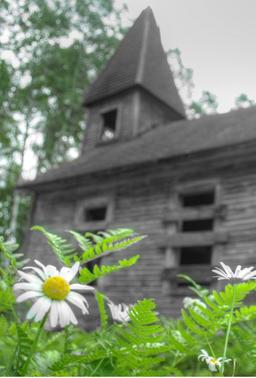
The oldest, almost century-old Estonian church in America is about to fall apart.
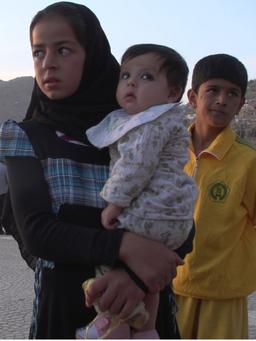
Vahur Laiapea has recorded Estonians' projects in Afghan and the local life.
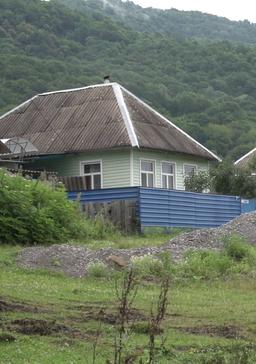

Vladimir Loginov´s “Anthill” is a portrait of a giant garage located in the largest Soviet blockhouse area of Tallinn. Here 700 garage box owners form an extraordinary men’s club and vary from those who just keep their cars to those who adapt their boxes for living. The complex is a unique biosphere with the existence of private saunas, a restaurant, an animal clinic and other artifacts of life stuck in time 20 years back.

Twin brothers from a small town have courage and ability to dream.
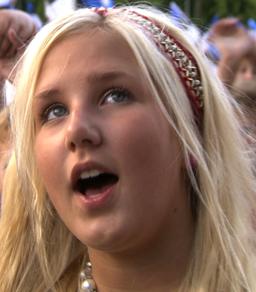
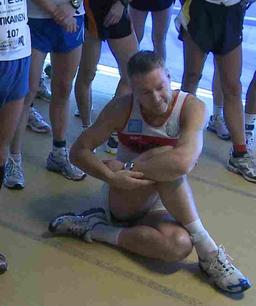
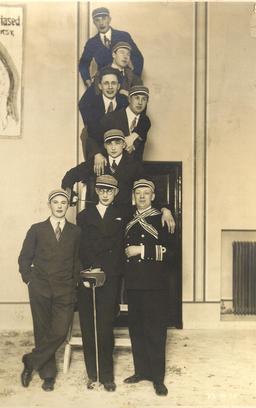
First documentary about the Estonian Students' Society that was established in Tartu in 1870 - it is the oldest, biggest and most influential academical student organization.
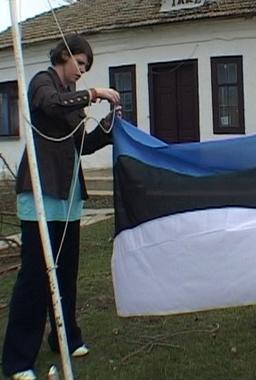
Documentary directed by Vahur Laiapea about Tiina Rekand, teacher of Estonian language in Crimean Aleksandrovka school and Rita Kuusk-Kadilkina, a Crimean-Estonian woman who has provided temporary home for teachers from Estonia.
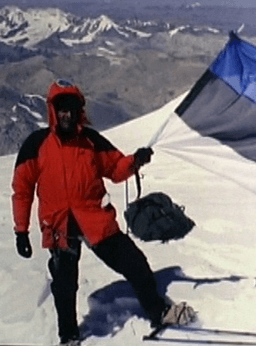
Documentary by Riho Västrik about the Estonian alpinists' first Himalayan expedition to climb the top of Cho-Oyu, the world's sixth highest mountain.
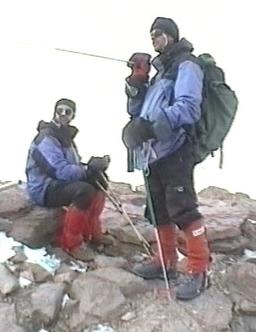
Documentary about Estonian alpinists' experience when conquering the highest point in both Southern and Western hemisphere - Aconcagua Mountain (6960 m).
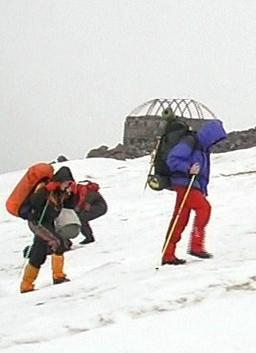
Documentary by Riho Västrik about the Estonian mountaineers' Caucasus expedition to the highest peak of Europe - Mount Elbrus (5642 m) in 1998.
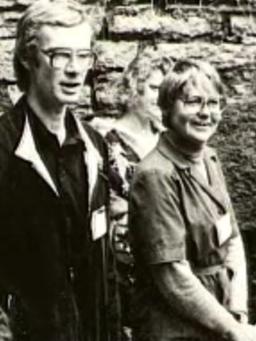

74th anniversary of the Republic of Estonia held in front of Toronto Town Hall.
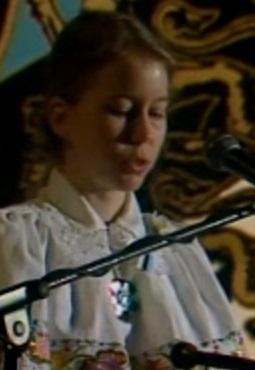
Festive celebration of the 74th anniversary of the Republic of Estonia in Toronto.
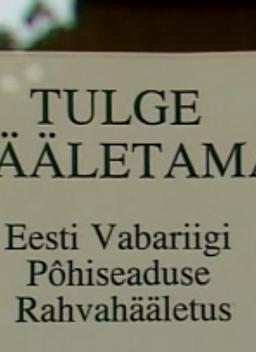
Referendum of the new constitution of the Republic of Estonia held in Toronto Estonian house on June 28, 1992.
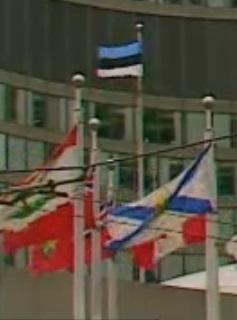
Ceremony of the celebration of 74th anniversary of the Republic of Estonia held in front of Toronto Town Hall.
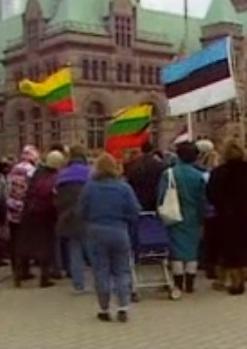
Commemoration day at Nathan Phillips Square in Toronto where Guntis Silinš, the Consul of the Republic of Latvia in Toronto holds his speech.
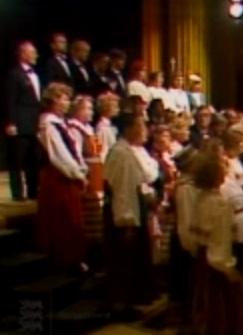
Celebration of the Independence Day in Toronto in 1991.

Group singing of expatriate Estonians in Toronto, Canada.
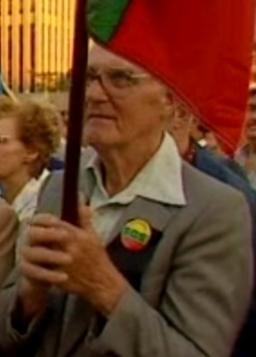
Demonstration in Toronto on August 23rd 1991 for supporting the independence of the Baltic States.
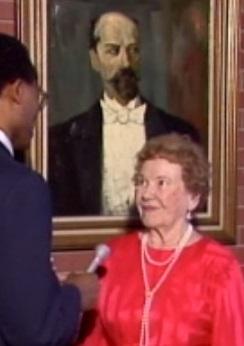
Two women share their opinion of the declaration of sovereignty accepted during the special session of Estonian government on November 16, 1988.
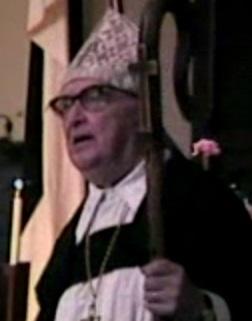
The national flag of Estonia is consecrated by North-American bishop Karl Raudsepp at St. Andrew's Church in Toronto. Sermon is held by dean Udo Petersoo.
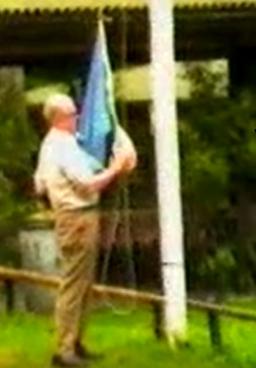
Traditional mid-summer celebration in "Metsakodu" camp on June 25, 1983: Heiner Erendi holds a religious service; Helga Nõu talks about the importance of Estonian language; poem by Raimond Kolk.
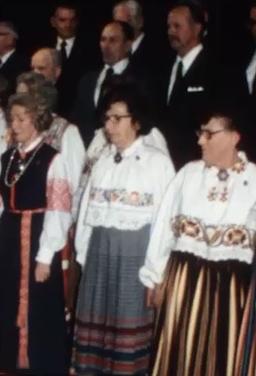
Celebration of the anniversary of mixed choir "Koit" and Victory Day in Estonian House, Thilmere, Australia on June 27, 1981.
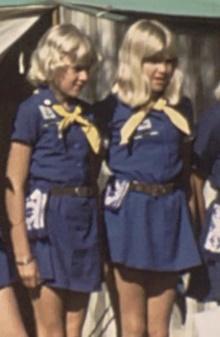
General camps of girl scouts and boy scouts in Melbourne and Adelaide, Australia.
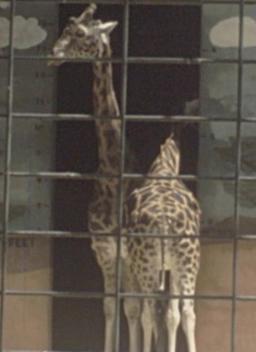
20th Estonian Games in Australia take place in Adelaide on December 26–31, 1975 at the same time with 9th Estonian Days.
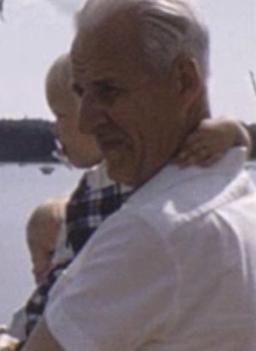
The married writers' couple Enn and Helga Nõu spend time with their small children in their hometown Uppsala and in other places in Sweden in 1967: trip to Åland, Estonian House in Stockholm.

The ceremony for celebrating the anniversary of the Republic of Estonia is held in the building of Hantverkarföreningen in Uppsala on February 25th, 1967.
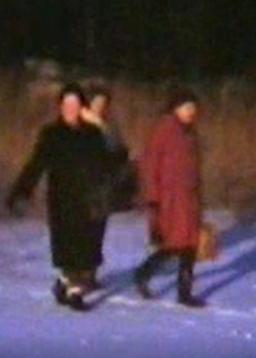
Group of people on their way on ice to the Mark family's summer cottage on January 1, 1967.

Married writers' couple Enn and Helga Nõu spend time with their small children in their hometown Uppsala in 1966; children's birthdays, pastime activities, games. The summer gathering of Estonians in Grisslehamn.

The 5th general camp "Põhjala" of Estonian guides and scouts takes place in Kungsbaka by Lake Lygnern, Sweden in July 18 - 27, 1964.

The 5th general camp of Estonian girl scouts and boy scouts "Põhjala" held in Koitjärve, Sweden and "Havilahe" by Lake Lygnern on July 18-27, 1964.

People are exiting St. Michael's Church in Uppsala after the church service on June 14, 1964.
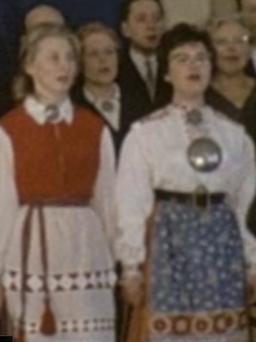
Social events of the expatriate Estonians in Uppsala in 1962-1963.
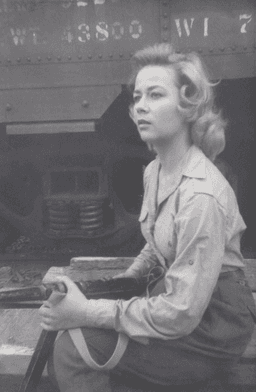
Amateur feature film produced in 1963, co-financed by the expatriate Estonians living in Canada and based on Eerik Heine’s original script. The film portrays conditions in Estonia during 1946-1947, fight of the ‘forest brothers’ with the occupying forces and worry towards the outburst of the next war, mixed with the hope to restore the independence of the Republic of Estonia.
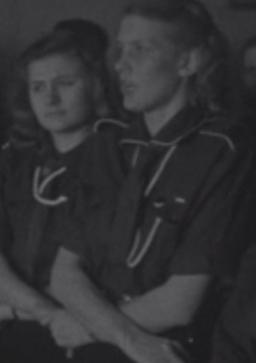
Training day for Estonian girl guides' leaders in Sweden in the Estonian primary school in Stockholm.
Girl scouts' camps in Australia.
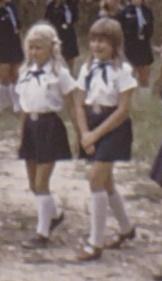
Girl scouts and boy scout camps in Southern Australia in 1970s.
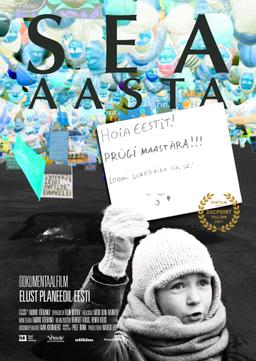
The film gives us a look into a year in our recent history, namely the year 2019, which polarised our people in politics and between generations. Without choosing sides and without unnecessary explanations the events shown in the film create a thought provoking story about a nations arrival to the end of the industrial age.
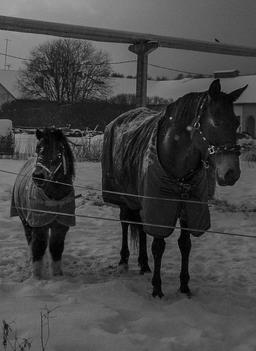
An ode to a faded jewel in the heart of the Estonian capital – Tallinn Hippodrome. Once a majestic racecourse track, all that is left is a lonely horse stable. Today it has become a social club for bizarre parties, engagement photo sessions and a home for young girls and old men taking care of the remaining racehorses.

A spy thriller about an Estonian intelligence officer, who has to track down a mysterious Soviet double agent on the eve of WWII.

Estonian activists, businesswomen and volunteers decided to support one village in Northern Ghana while bringing together the handicraft skills of Ghanaians, enterprisingness of Estonians and Western market. So it turned out that the baskets woven by Ghanaian village women would sell in Estonia and the butter produced from shea nut growing in African savannas would find buyers in USA.