bell ringer
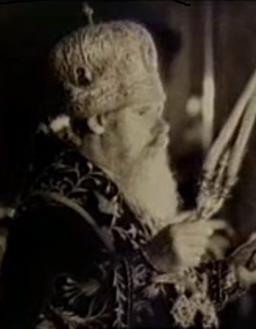
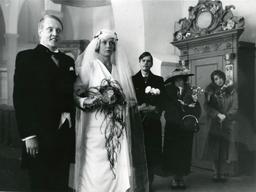
The folksy comedy is the last one in the trilogy based on the works by Oskar Luts directed by Arvo Kruusement. Previous films of the trilogy are "Summer" (released in 1976) and "Spring" (released in 1969). In "Autumn" the main focus is on Jorh Adniel Kiir, the tailor of Paunvere, and his misadventures while getting married and buying a farm.
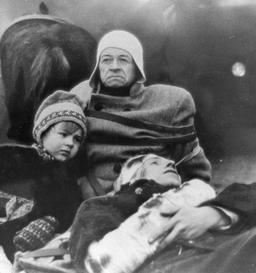
The debut film by director Jüri Sillart depicts an Estonian village on the fatal day of March 25, 1949, when ten thousands of people were deported to Siberia.
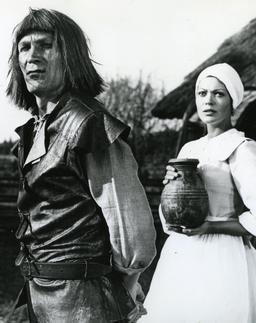
The drama based on the ballad of prose "The Pastor of Reigi" by Finnish-Estonian writer Aino Kallas depicts the conflict between the dogmatic philosophies, humanity and love.

The second film of the trilogy (based on the novels "Spring", "Summer" and "Autumn" by Oskar Luts) directed by Arvo Kruusement follows the life of the characters known from "Spring" with a humorous undertone.
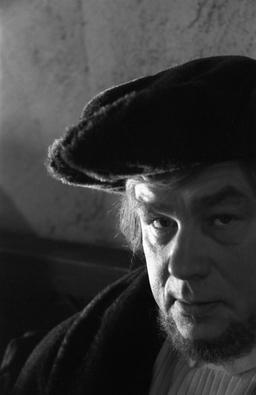
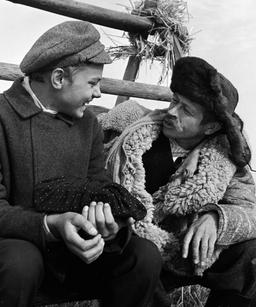
The first independent feature film directed by Arvo Kruusement is based on the story "The Spring" by Oskar Luts, depicting events of a school year in an Estonian church parish school at the end of 19th century. This lyrical and jolly youth story full of hope has been selected as the best Estonian feature film of all times.